HEALTHY HEART
Prevention of cardiovascular diseases is essential for maintaining the health of the heart and blood vessels. Below, you can learn how you can personally contribute to prevention:

Healthy Diet:
- Reduce intake of saturated and trans fats found in processed and fast foods.
- Increase consumption of fruits, vegetables, whole grains, and omega-3-rich fish.
- Limit salt intake and add more fiber to your diet.
Regular Exercise:
- At least 150 minutes of moderate aerobic exercise or 75 minutes of vigorous exercise per week is recommended.
- Exercise helps control weight, lower blood pressure, and improve cholesterol levels.
Weight Management:
- Maintaining a healthy body weight can reduce the risk of cardiovascular diseases.
- Achieve and maintain a healthy weight through proper nutrition and physical activity.
Smoking Cessation:
- Smoking significantly increases the risk of heart disease and damages blood vessels.
- Quitting smoking improves heart and blood vessel health.
Alcohol Moderation:
- Excessive alcohol consumption can raise blood pressure and triglyceride levels.
- Moderate alcohol consumption is recommended, or complete avoidance if possible.
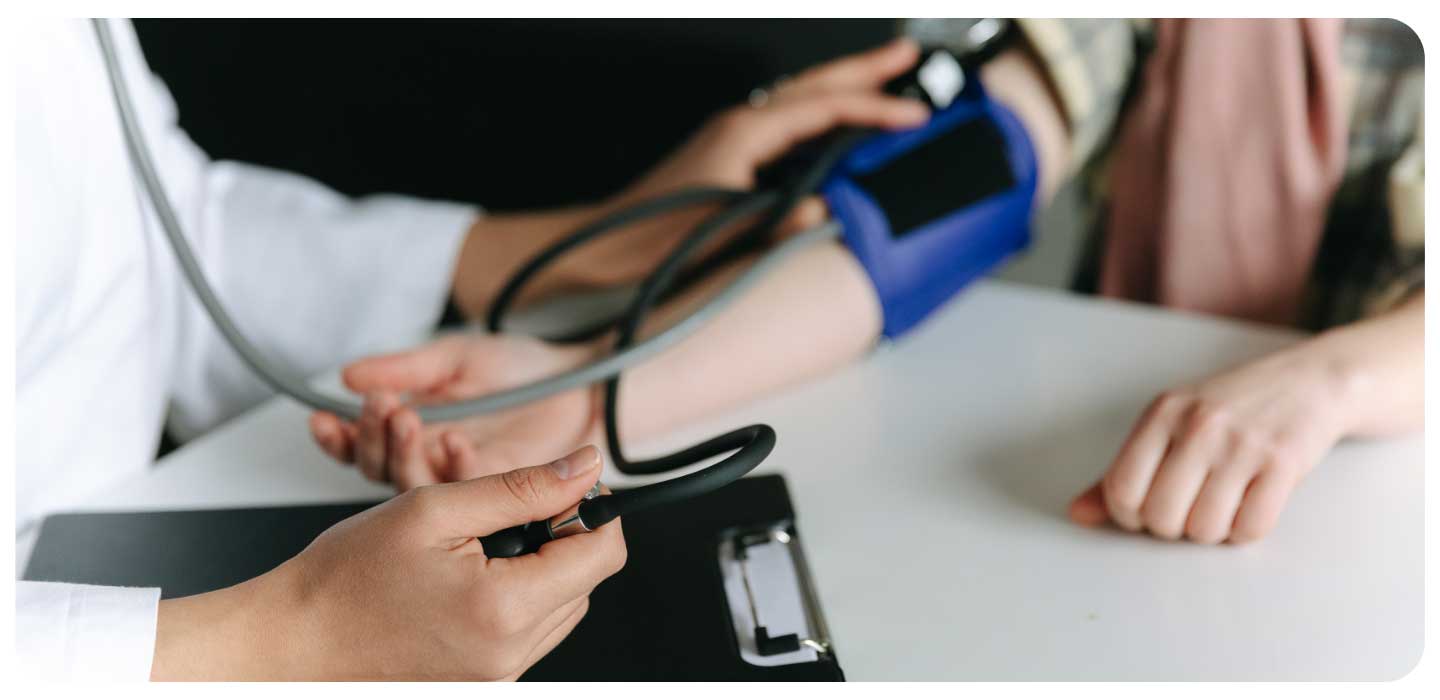
Regular Blood Pressure Monitoring:
- High blood pressure can damage blood vessels and the heart.
- Regular measurement and control of blood pressure can help detect problems early.
Cholesterol Monitoring:
- High levels of LDL (“bad”) cholesterol can contribute to the development of atherosclerosis.
- A healthy diet and, if necessary, medication can help maintain optimal cholesterol levels.
Stress Management:
- Prolonged stress can negatively affect heart health.
- Techniques such as meditation, yoga, and relaxation exercises can help reduce stress.
Regular Medical Check-ups:
Routine medical examinations can help in the early detection and management of cardiovascular risk factors.
Genetic Predisposition and Family History:
If you have a family history of cardiovascular diseases, consult your doctor about additional preventive measures you can take.
These strategies can significantly reduce the risk of cardiovascular diseases and contribute to long-term heart and blood vessel health.
Blood Pressure Values
Systolic Pressure: This is the pressure in the arteries when the heart pumps blood, i.e., when the heart muscle contracts.
Normal value: less than 120 mmHg
Diastolic Pressure: This is the pressure in the arteries when the heart is at rest between beats.
Normal value: less than 80 mmHg
Blood Pressure Categories
Normal Blood Pressure:
Systolic: less than 120 mmHg
Diastolic: less than 80 mmHg
Elevated Blood Pressure (Prehypertension):
Systolic: 120–129 mmHg
Diastolic: less than 80 mmHg
Hypertension Stage 1:
Systolic: 130–139 mmHg
Diastolic: 80–89 mmHg
Hypertension Stage 2:
Systolic: 140 mmHg or higher
Diastolic: 90 mmHg or higher
Hypertensive Crisis:
Systolic: higher than 180 mmHg
Diastolic: higher than 120 mmHg